PARIS MON AMOUR
The Politics of The Grande Cafés
There is a particular skill required to sit in a Parisian grand café. It is not ordered off the menu. It is absorbed, over time, through proximity and observation, a kind of social osmosis that no travel piece has ever quite managed to explain.
Because you must experience this. If you have not already, consider this your instruction.
The tables are too close. This is by design.
At Café de Flore, at Les Deux Magots, at La Rotonde in Montparnasse, the marble-topped tables are arranged with an intimacy that would feel intrusive anywhere else. Your neighbour's conversation arrives uninvited. The clink of their coupe carries. And yet by some unspoken Parisian compact, you hear everything and acknowledge nothing. Privacy is not created by distance here, it is created by discipline. By the collective understanding that what unfolds at the next table stays at the next table. It is one of the great social agreements of European life, and it still holds.
This is the politics of place.
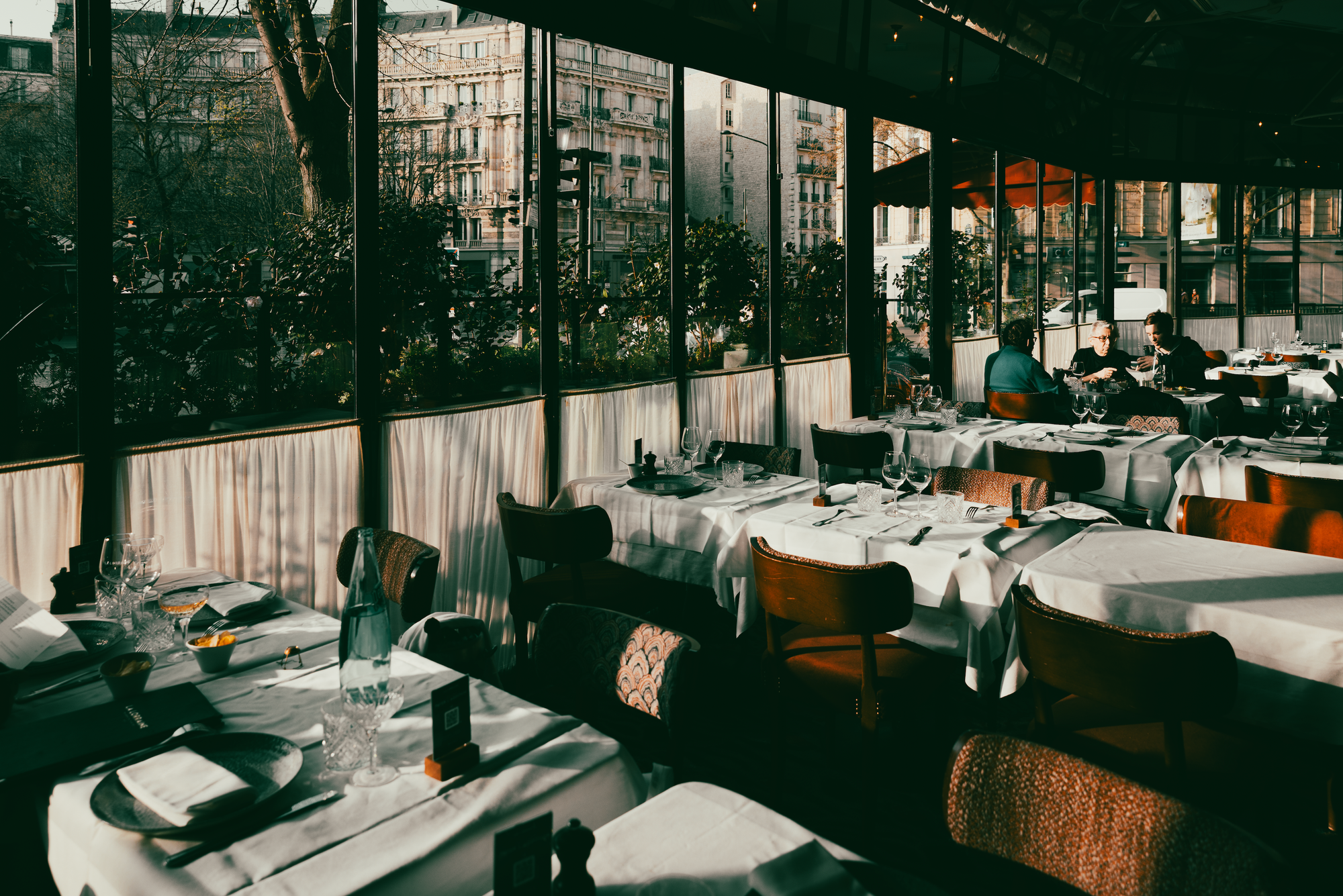
It begins with arrival. To walk into a grande café and be seated is to enter a stage already mid-performance. The room is all mirrors and amber light, bentwood chairs, smoke-yellowed ceilings, the kind of surfaces that have absorbed decades of argument and laughter and long afternoon silences. Every chair faces outward, towards the boulevard. You are here to be seen, to see, and to think. In Paris, these things are not in conflict.
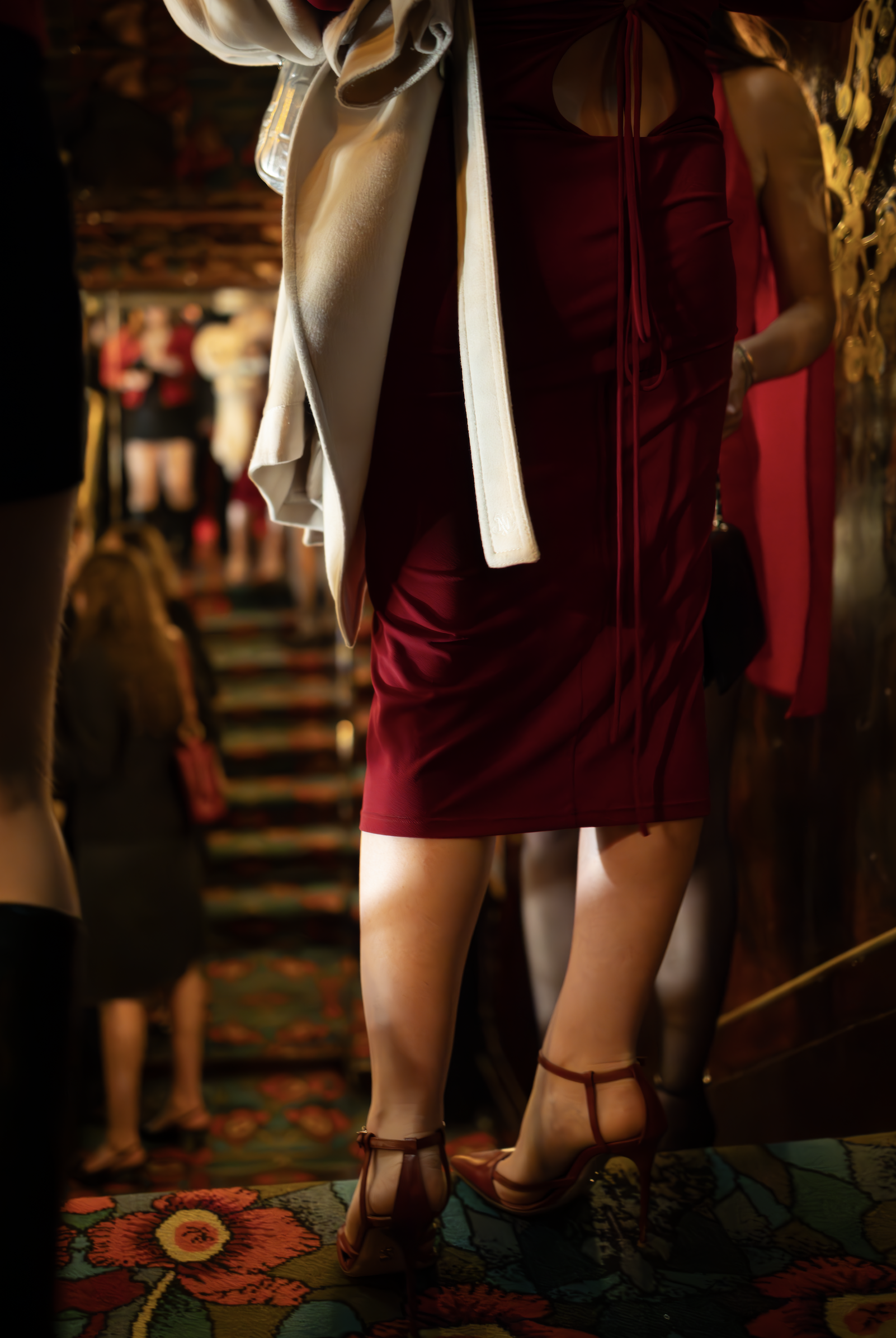
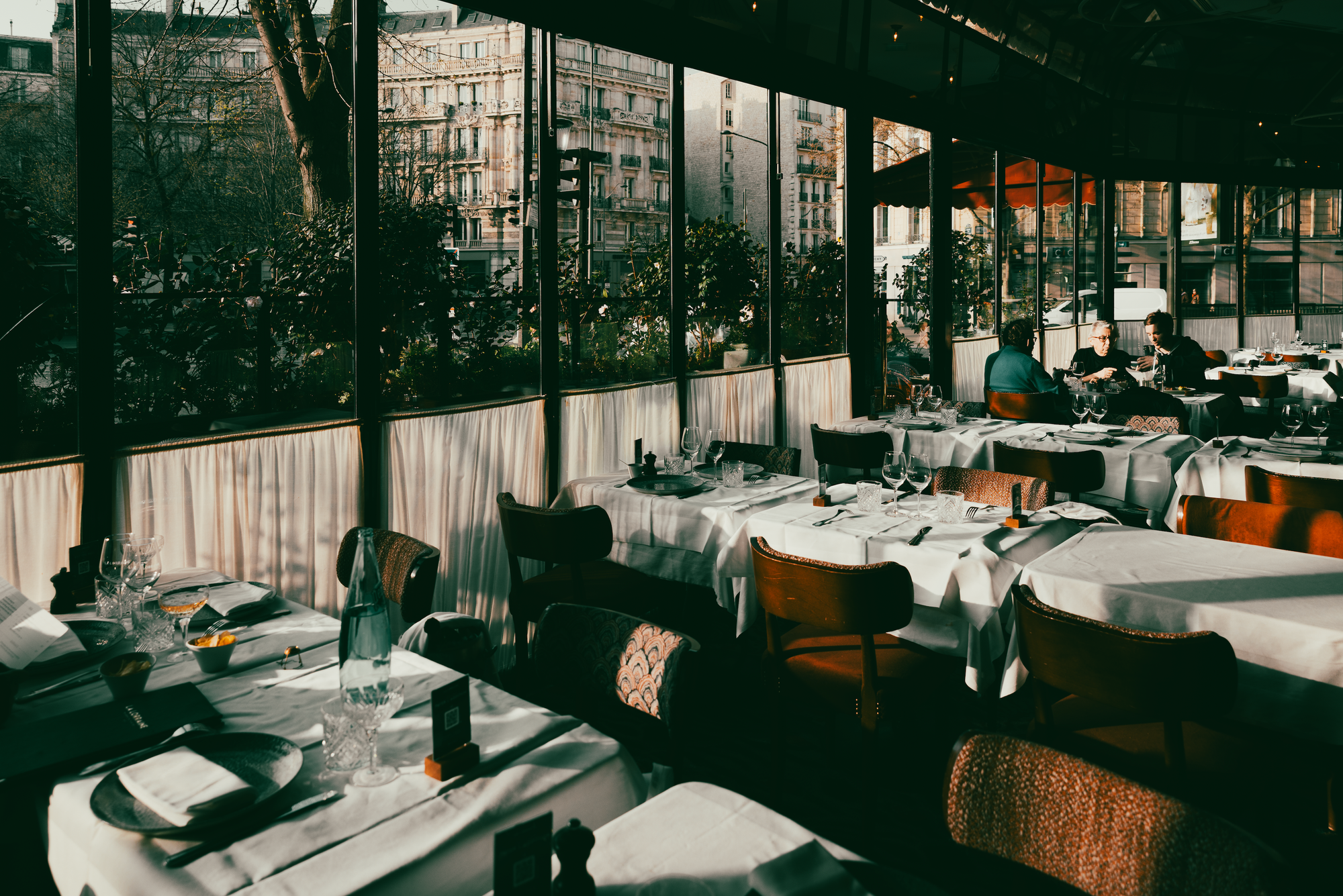
The spectacle is relentless and specific, and it arrives from every direction at once. To your left, a table of women straight from the recent fashion show, models or close enough, full lips, impeccable macs, the conversation running on autopilot: a food fad, a cocktail, a flight to somewhere warmer, a flight back. To your right, a man with a pencil-thin moustache dressed somewhere between new romantic and Napoleonic pirate is joined by a more organised type, the quietly formidable kind, an Andi from The Devil Wears Prada, knee-high boots, pressed skirt, precise, the one actually holding it all together, who runs everything and lets no one know it, who is herself shortly joined by a third, arriving in a cardigan that reaches the floor, medallions and rings stacked without apology, radiating a magnificent campness that the café absorbs without so much as a raised eyebrow. Three people at one table, three entirely different stories.
Then you notice the table behind.
And presiding over all of it, at the prime position as though they have held it since the republic was young, two women in their late eighties, perhaps older, casual, stylish, sunglasses on despite the hour, cigarettes on the go - nonstop, observing everything with the serene authority of people who have seen every version of this scene and concluded long ago that the new one is never quite as interesting as the last. They are the most compelling people in the room. They always are.
What the grande café understands, and what makes it unlike anywhere else, is that every register of human life coexists here without hierarchy. The famous and the unknown, the extravagant and the quietly purposeful, the people watching and the people being watched, all of it held together by the room, the ritual, and the serious business of eating and drinking well.
Then there is the couple. You notice them because they are not performing for anyone. They are simply, completely, here, intent on each other and on the grand plateau de fruits de mer that arrives between them like a small, magnificent event. Oysters, langoustines, a monument of ice and shell. They eat with the focus of people who understand that this, right now, is the point. Nearby, a man in paint-stained linen works through a croque-monsieur with the concentration of someone solving a difficult problem, entirely unbothered by the theatre around him. The kitchen, like the room, makes no distinction.
And threading through all of it: the waiters. Fast, efficient, unhurried in the way that only the truly competent can be. They are privy to every whim and every secret at every table, and they carry the knowledge lightly, wry, knowing, discreet in the way that great professionals always are. They have seen the pirate and the models and the old ladies and the couple with the fruits de mer a thousand times, in every possible combination, and they bring each table exactly what it needs without comment or ceremony. The waiter in a Parisian grand café is not serving you. He is managing you, beautifully, and you are grateful for it.
The etiquette is unwritten but absolute. You do not hover. You do not rush. You do not take your phone call standing at the table. You tip adequately, you greet the waiter like a person, and you understand, implicitly, from the moment you sit, that the table is yours for as long as you need it. Time works differently here. This is the city that invented the long lunch and has never once apologised for it.
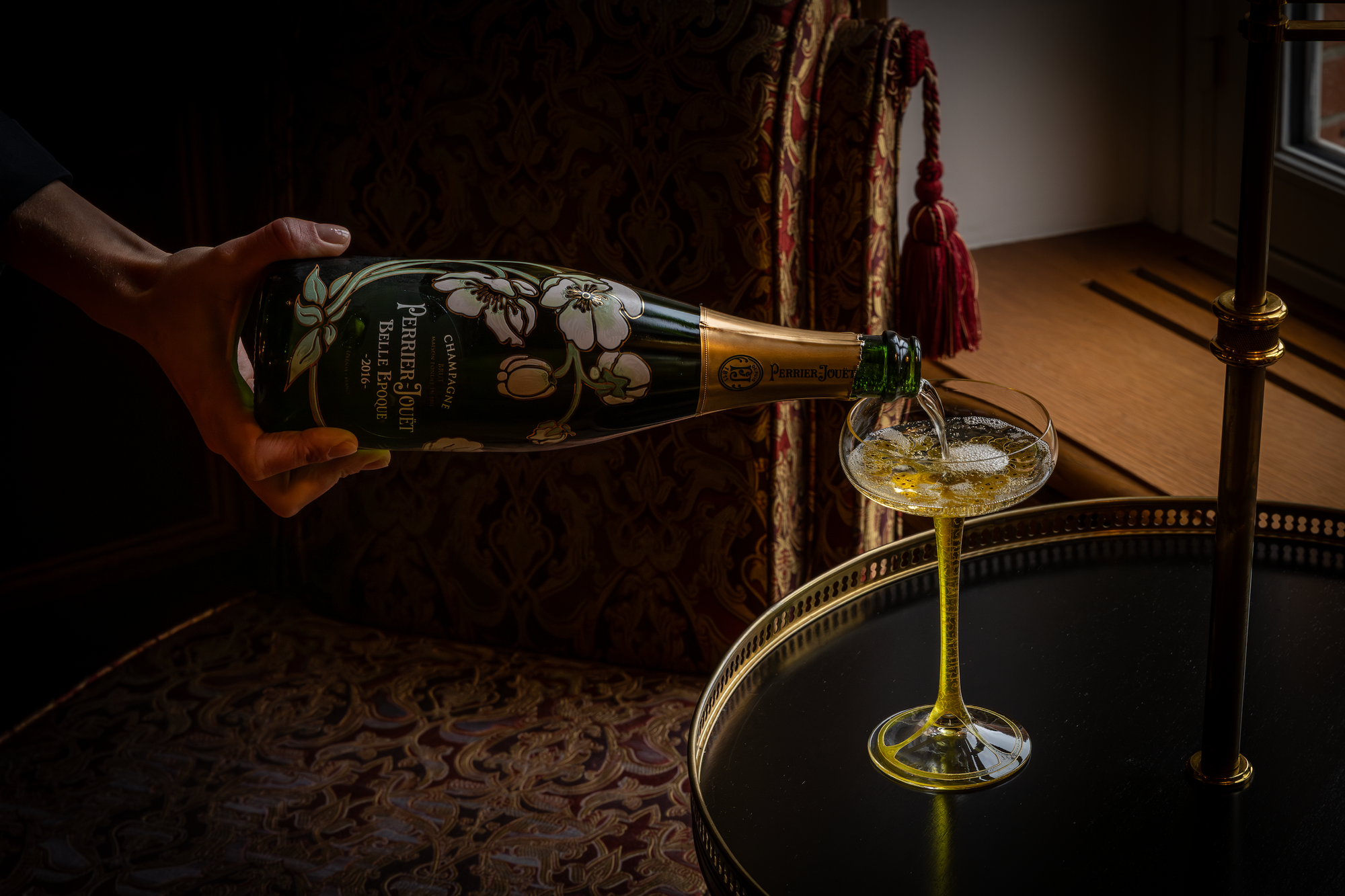
And then there is the champagne.
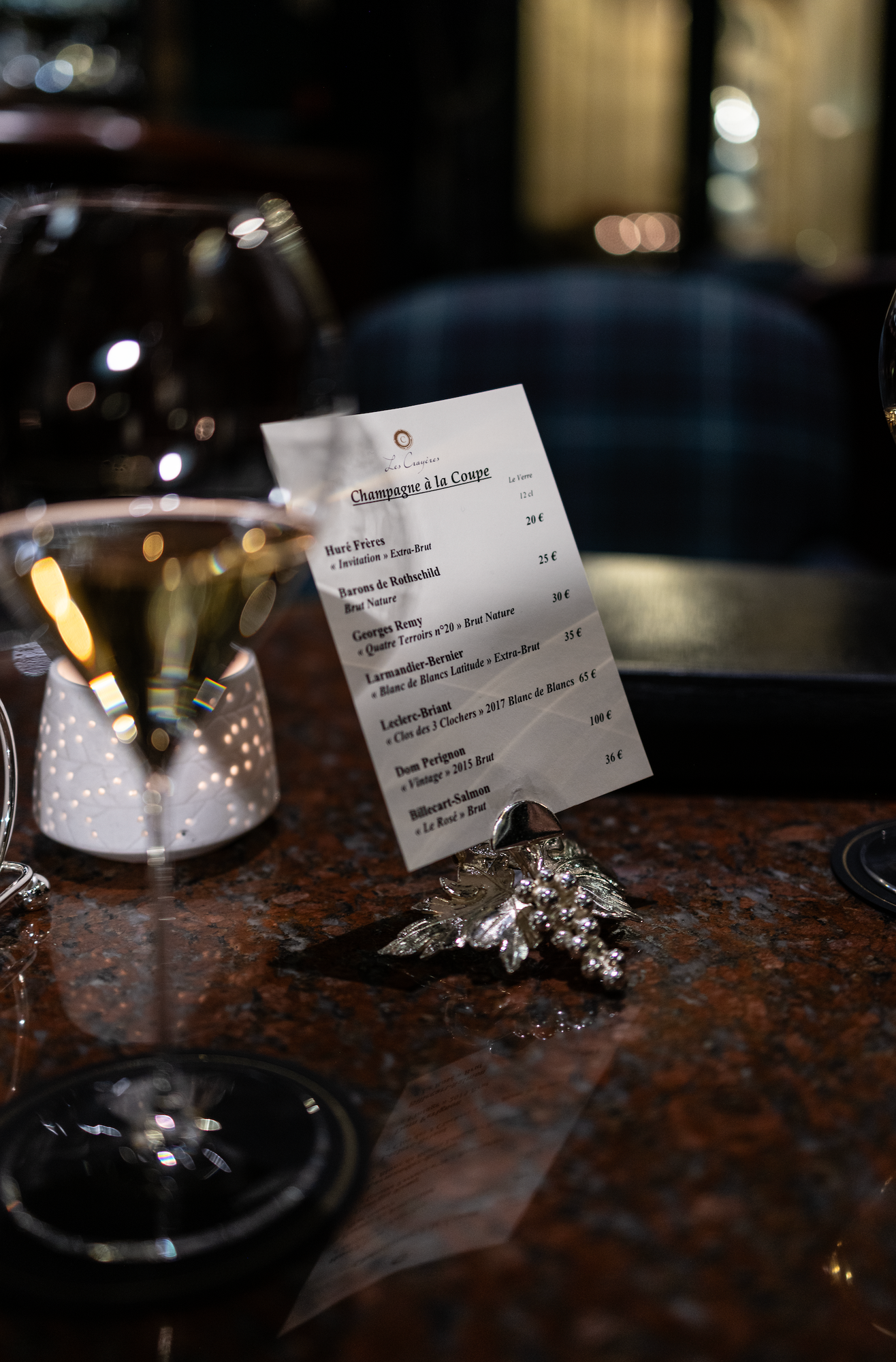
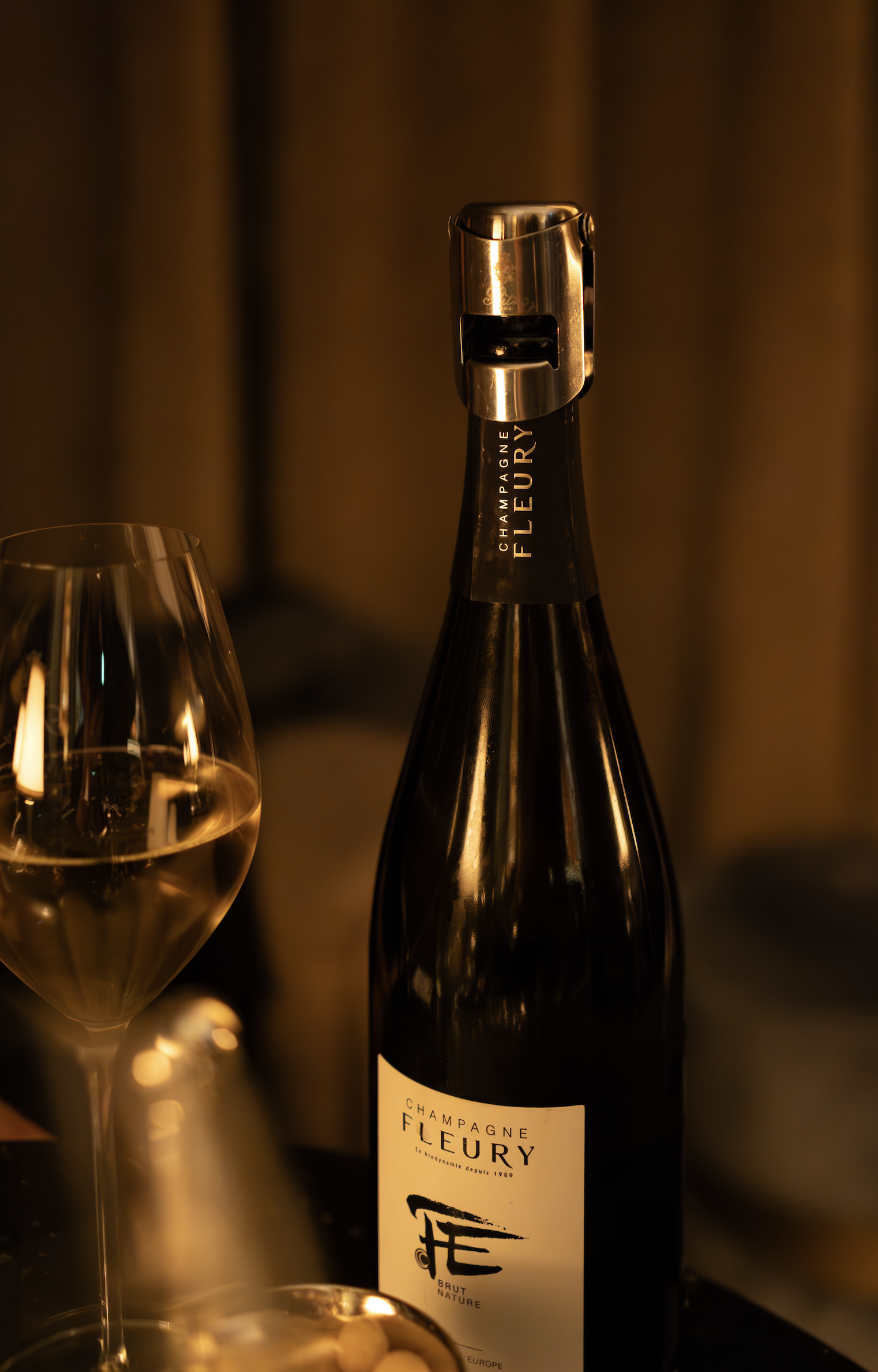
You order a coupe without quite deciding to. It is that kind of afternoon. What arrives is a blanc de blancs – likely from a grower producer. It cuts beautifully against the salt of an oyster. It holds its own against the noise and colour of the room. There is something about champagne in a grand café that is different from champagne anywhere else. It feels less like a luxury and more like the correct response for what needs to be done. An acknowledgement that you are paying attention. That you know what this is and where you are.
This is not a place you visit. It is a place you practise. The Grande Café rewards the person who understands that the point is not what you order, who you arrive with, or what you are wearing, though all of those things matter in Paris, naturally. The point is presence. The willingness to sit still in a beautiful room while the world performs itself around you, a glass of something extraordinary in hand, going absolutely nowhere.
If you have not done this, you must do so. Book the table. Order the champagne. Stay longer than you planned. That is the only instruction worth giving.